
Regina Covenorum
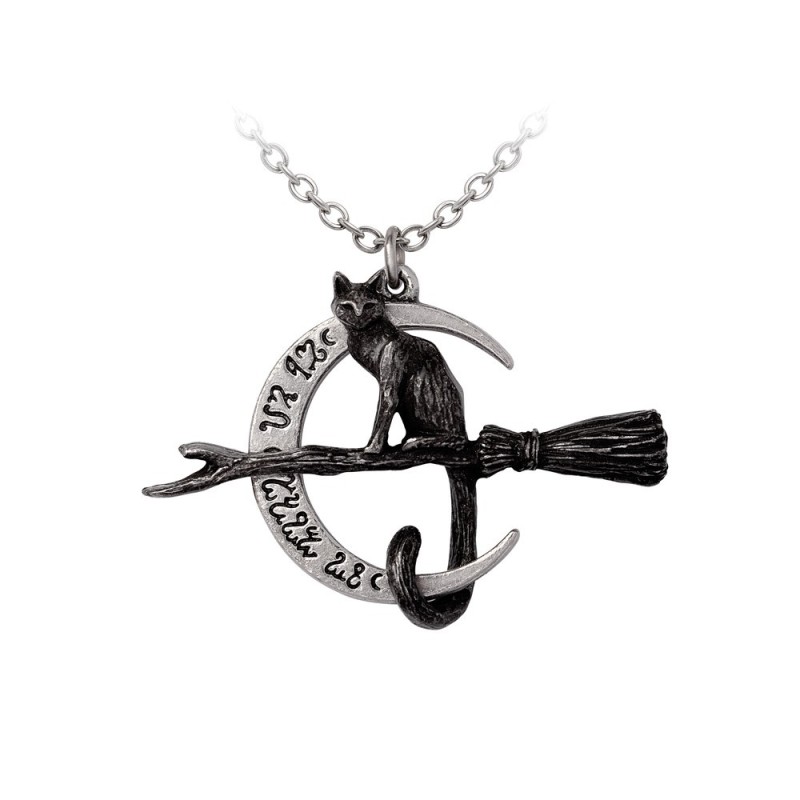
Following the recent release of our “Regina Covenorum” pendant (P1005) some of our customers have expressed an interest in knowing more about the cryptic looking text featured on the piece. So we decided to take a few minutes to explain a bit about the text and its origin.
The symbols are in the Theban cipher alphabet and reads:
‘So mote it be’
The Theban alphabet, also known as the Witches’ Alphabet or Alphabet of Honorius, is a substitution cipher for the Latin script used by occultists to write magical texts such as Grimoires or Books of Shadows. It was first published by Johannes Trithemius in his 1518 work Polygraphia, but it is attributed to Honorius of Thebes, appearing in later magical texts like Agrippa’s Three Books of Occult Philosophy. It is characterised by unique symbols for most Latin letters, serving to keep spells and rituals secret.
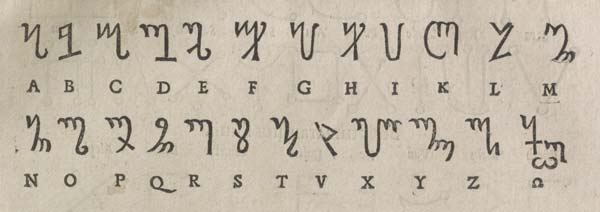
“So mote it be” is a ritual phrase used by Freemasons, in Rosicrucianism, and more recently by witches, meaning “so may it be”, “so it is required”, or “so must it be”, and may be said after the person giving the prayer says ‘Amen’ The phrase appears in the Halliwell or Regius Manuscript, the earliest known document relating to a society of Masons in England, dating from the first half of the 15th century.
“Amen! amen! so mot hyt be! Say we so all per charyté”.
The phrase has been taken up by witchcraft practitioners and they use it in a similar way in their ceremonies and rituals.