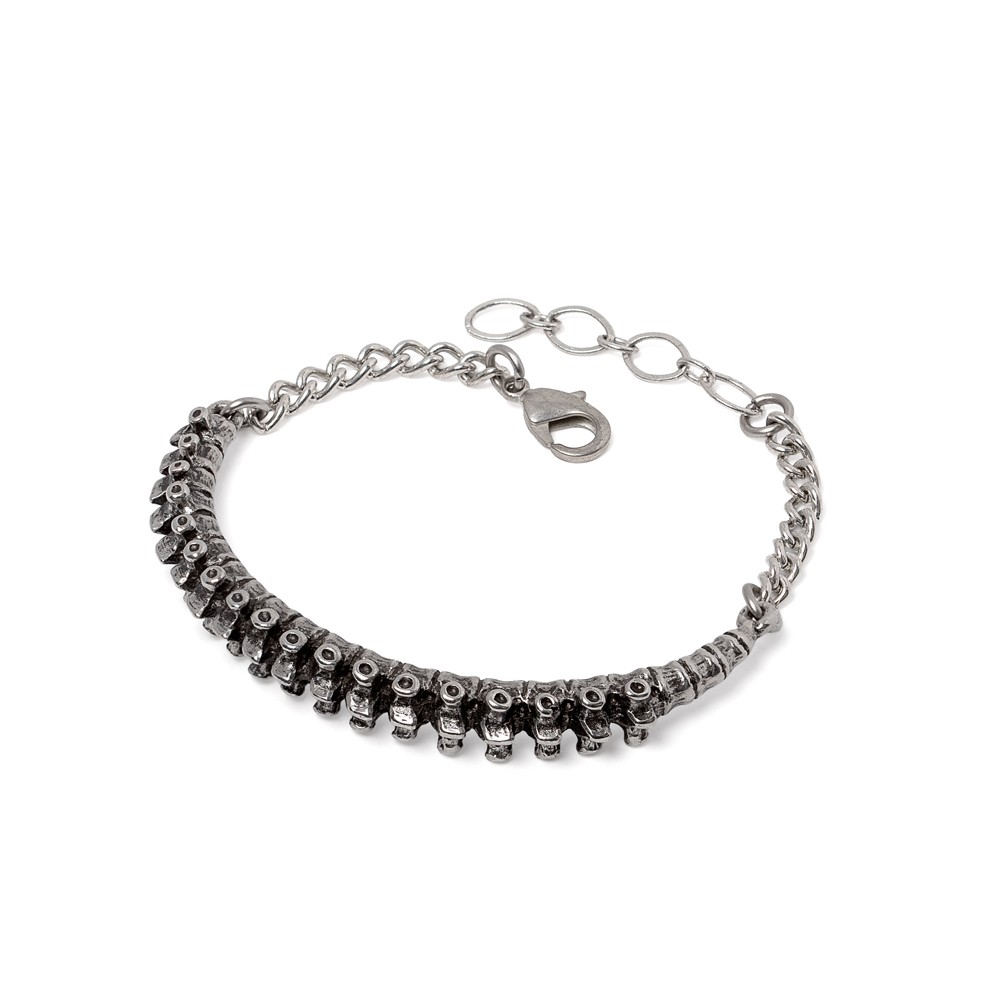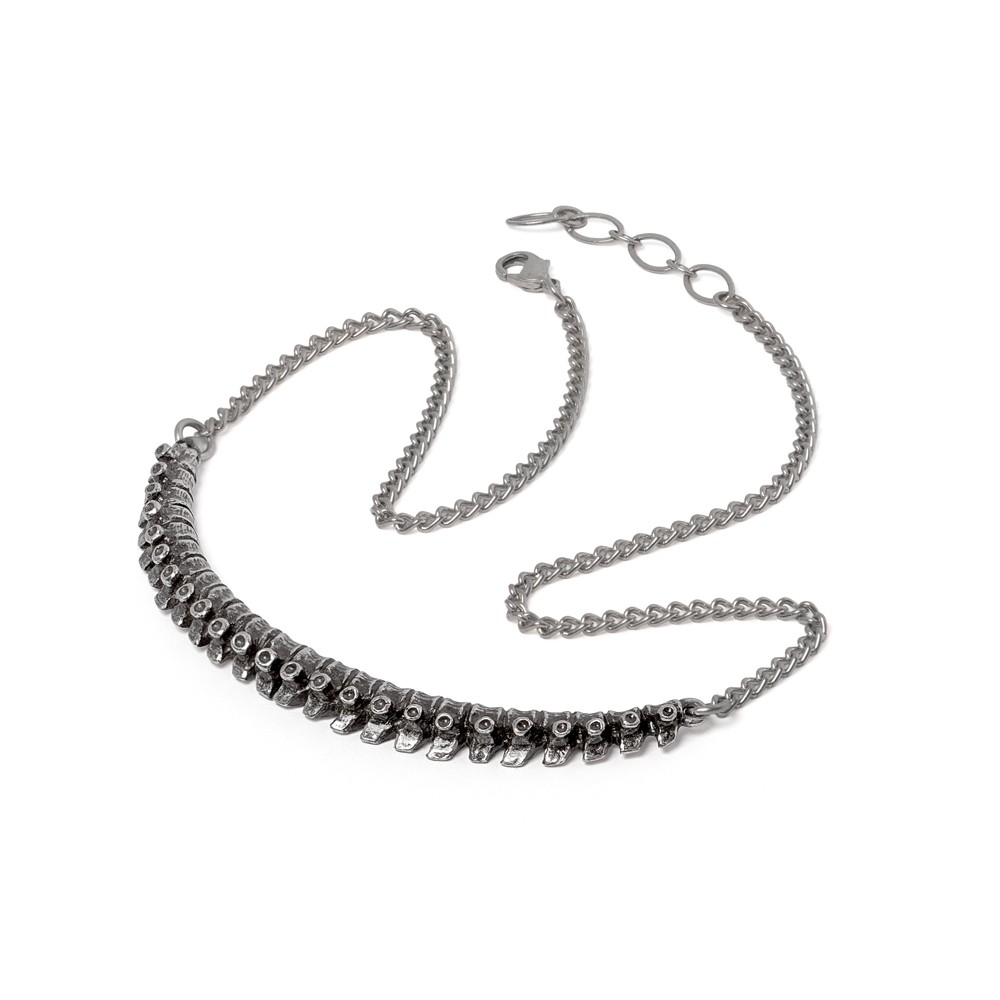
The Spine
The spine has become an almost ubiquitous symbol to the modern eye, perceived as a grimly beautiful element of the Gothic aesthetic and our fascination with all things skeletal. Yet throughout the ancient world, the spine held a far deeper spiritual significance, one that has largely been lost in modern thinking.
In Eastern philosophies, the spine was regarded as the conduit of consciousness. Kundalini was believed to be a dormant spiritual life force, coiled at the base of the spine, which, when awakened, rises through the central spinal channel, or Sushumna, passing through the seven primary chakras. This ascent was said to bring expanded consciousness, spiritual enlightenment, and renewed physical vitality.
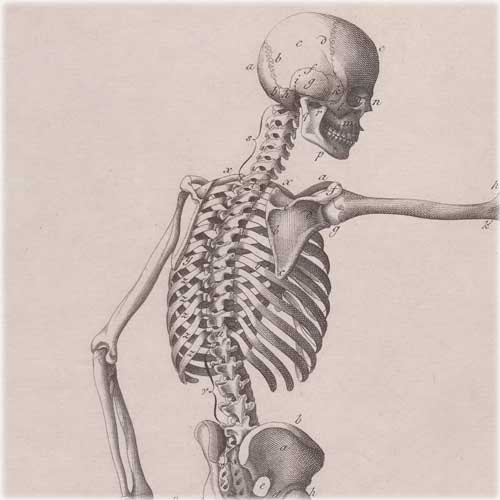
A remarkably similar symbolism can be found in ancient Egypt. In the myth of Osiris, after his brother Seth murdered him and scattered the pieces of his body across the land, Isis painstakingly gathered them together and restored him to life. The Djed pillar came to represent the reconstructed spinal column of Osiris, embodying the strength, stability, and resilience that enabled him to rise from the dead. Beyond the myth itself, the Djed was one of the most powerful symbols of protection and resurrection in Egyptian religion. It was frequently painted along the spine of sarcophagi and fashioned into amulets to safeguard the dead, preserving the integrity of the body and ensuring eternal life.
Separated by vast distances and cultures, both Eastern and Egyptian traditions recognised the spine as far more than a structural support for the body. It was seen as the axis of life itself—a sacred channel through which consciousness, vitality, and ultimately rebirth could be achieved.
Related Products…